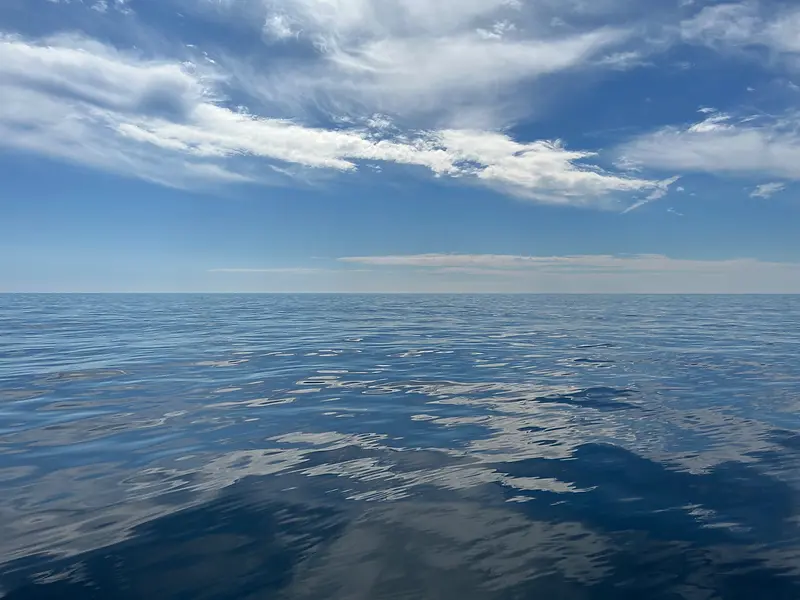
Jupiter Inlet connects anglers to the Loxahatchee River, the Intracoastal, and the open Atlantic, creating a rare mix of inshore, nearshore, and offshore opportunities in one compact gateway.


Target species and seasons
The Inlet and adjacent waters hold snook, tarpon, redfish, trout, mangrove snapper, and more, with the Inlet itself renowned for trophy-class snook and seasonal bait migrations that stack predators. Snook action peaks from spring through fall, while tarpon shine during the spring mullet run through early summer and again in fall, with juveniles resident in the Loxahatchee.
Where to fish
For land-based access, DuBois Park provides guarded lagoon areas, shoreline access, and park amenities, making it a favored spot to work tides safely from shore. From a boat, the inlet proper, adjacent docks/bridges, and reefs just a few miles offshore allow quick transitions between snook, tarpon, snapper, and nearshore structure species when seas and traffic permit.
Tactics and gear
Live baits such as mullet, pinfish, and croaker excel on clear incoming tides, while heavy jigs like flair hawks shine on outgoing tides when the water muddies and snook push low in the column. For tarpon, stout gear, circle hooks, and natural presentations around bridges, jetties, and inlet flows deliver, with catch‑and‑release handling emphasized for healthy releases.
Charters and guides
Local captains run targeted snook and tarpon trips in and around the Inlet and Loxahatchee, offering tide timing, bait sourcing, and safe navigation advantages for visiting anglers. Multi-technique days—sightcasting beaches during the mullet run, drifting inlet edges, then probing nearshore reefs—are common playbooks among experienced Jupiter guides.
Regulations and ethics
Atlantic-side snook management uses a regional calendar; in Southeast/IRL/Northeast regions, seasonal closures typically run Dec 15–Jan 31 and Jun 1–Aug 31 with a 28–32 inch slot and one-fish daily bag when open—always verify current regs before a trip. Regulations can change via FWC updates, so checking the latest state communications and the current e-regulations guide is essential before harvest decisions.
Safety and tides
Jupiter Inlet is short, narrow, and notorious for shifting sandbars, strong tidal currents, and breaking bars on tide–swell conflicts—conditions that can turn dangerous quickly, even for experienced crews. Study marine forecasts and inlet conditions carefully, mind posted navigational aids and manatee/speed zones, and avoid tide-wind oppositions that build steep standing waves in the throat.
Lighthouse, nature, and context
The 1860 Jupiter Inlet Lighthouse anchors the headland and offers guided climbs and museum exhibits set within an Outstanding Natural Area tied to 5,000 years of human and ecological history. The lighthouse’s historical fabric and high vantage underscore why the inlet area is both a cultural landmark and a living, dynamic coastal ecosystem.
Trip planning essentials
DuBois Park and nearby facilities offer restrooms, guarded swim zones, picnic shelters, and paddle craft launches—useful conveniences around fast-moving inlet sessions. For a simple shore plan, align casts to moving water windows at DuBois Park; for boat plans, cue departures to marine forecasts and Gulf Stream proximity when targeting nearshore and pelagics.
Conclusion
Jupiter Inlet blends world‑class snook and seasonal tarpon with rare, close‑in Gulf Stream access—rewarding anglers who time tides, respect safety, and match tactics to conditions. For easier prep, consider these Wander ’Bout shop picks and related reads to round out a Jupiter Inlet day.
Related Reads on Wander ’Bout
- Shark Fishing at Tybee Island Pier (beginner perspective on big-fish setups)
- Winter Fishing (cold‑water tactics and planning)
- Top Fishing Gadgets (tech to elevate bite detection and scouting)
- Couples’ Fishing Tips (trip dynamics that boost fun)
Snook rules checked October 1, 2026: FWC’s Southeast region, including the Loxahatchee River, lists a 28–32-inch total-length slot, one fish per person per day, and harvest closures December 15–January 31 and June 1–August 31. Check FWC’s region-specific rules and license/permit requirements before fishing.
Been here? Add what you know.
Places change. Stories stay personal. Help keep this Field Note useful with a correction, a recent update, another detail, or a comment. Approved contributions appear here with their own credit and date.
Know a useful detail? Yours could be the first addition.
Charters, tours, stays, and other ways to turn the story into a trip.

Hook'N Up Sport Fishing – Jupiter
See the current trip options and availability for a related outing.

Seek The Deep Charters
See the current trip options and availability for a related outing.
Wander ’Bout may earn a commission if you book through these links, at no extra cost to you.