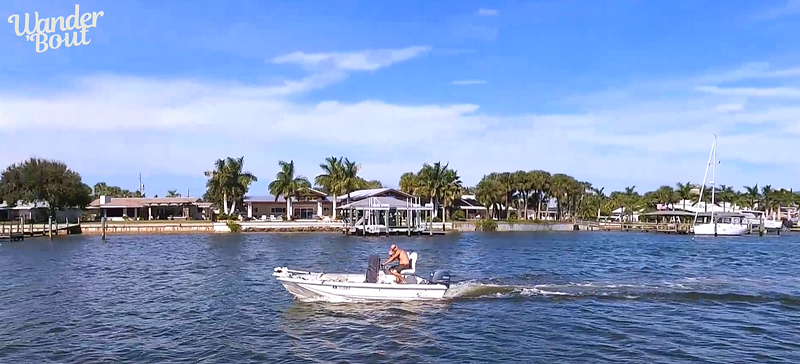

Managing a boat's performance on the water involves more than just steering; understanding how to properly use your trim settings is essential for both comfort and mechanical efficiency. This guide from Wander ’Bout focuses on the mechanics of boat trimming, specifically how adjusting the angle of the motor affects the vessel's movement through the water.
By learning to trim correctly, boaters can minimize drag, improve speed, and significantly reduce fuel consumption during their travels. The process of trimming essentially involves tilting the motor to change the angle at which the propeller pushes the water. When a boat is properly trimmed, it planes more effectively, which allows it to glide over the surface rather than pushing through it.
The guide explains how to identify when a boat is trimmed correctly, noting the importance of leveling out the craft to achieve a smoother, more stable ride. By finding this optimal angle, boaters can prevent unnecessary resistance, which directly translates to better fuel economy. Achieving optimal performance is often about finding the right balance.
Trimming up, or tilting the motor away from the transom, lifts the bow, which can increase speed and efficiency in the right conditions. However, over-trimming can lead to ventilation issues, where the propeller loses its grip on the water. Conversely, trimming down can help with acceleration and stability, especially in choppy conditions or when getting the boat on plane.
Understanding these adjustments allows for a more responsive and controlled experience behind the helm. For those who are new to boating or looking to refine their technical skills, this video provides a straightforward explanation of why trim adjustments matter. Beyond just the immediate benefit of saving fuel, mastering trim settings is a core skill for long-term boat maintenance.
Reducing the strain on your engine by maintaining a balanced ride can contribute to a more efficient operating cycle and potentially reduce wear over time. Whether you are a casual cruiser or a more frequent boater, the insights provided in this guide aim to help you get the most out of your time on the water.
By applying these techniques to your next outing, you can better manage your vessel’s performance and ensure that your fuel consumption is as efficient as possible. If you find these tips helpful and want a deeper look at the subject, a link to the full-length video is available for further exploration.
This focused approach to boat handling is a practical starting point for anyone looking to optimize their nautical skills and improve their overall efficiency while on the water.