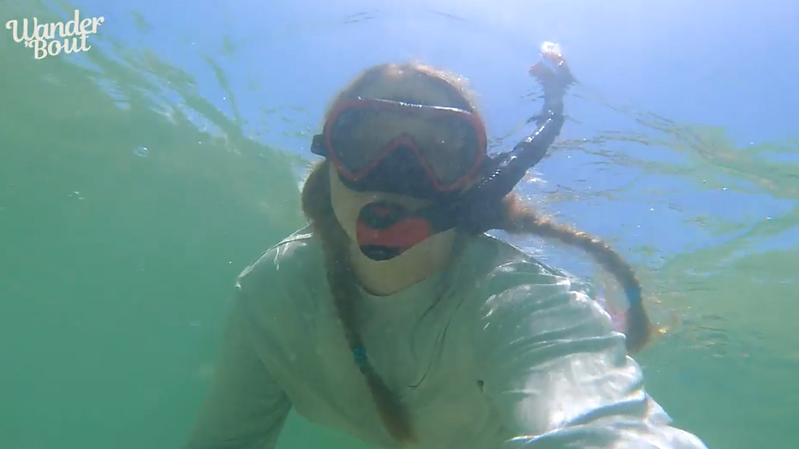
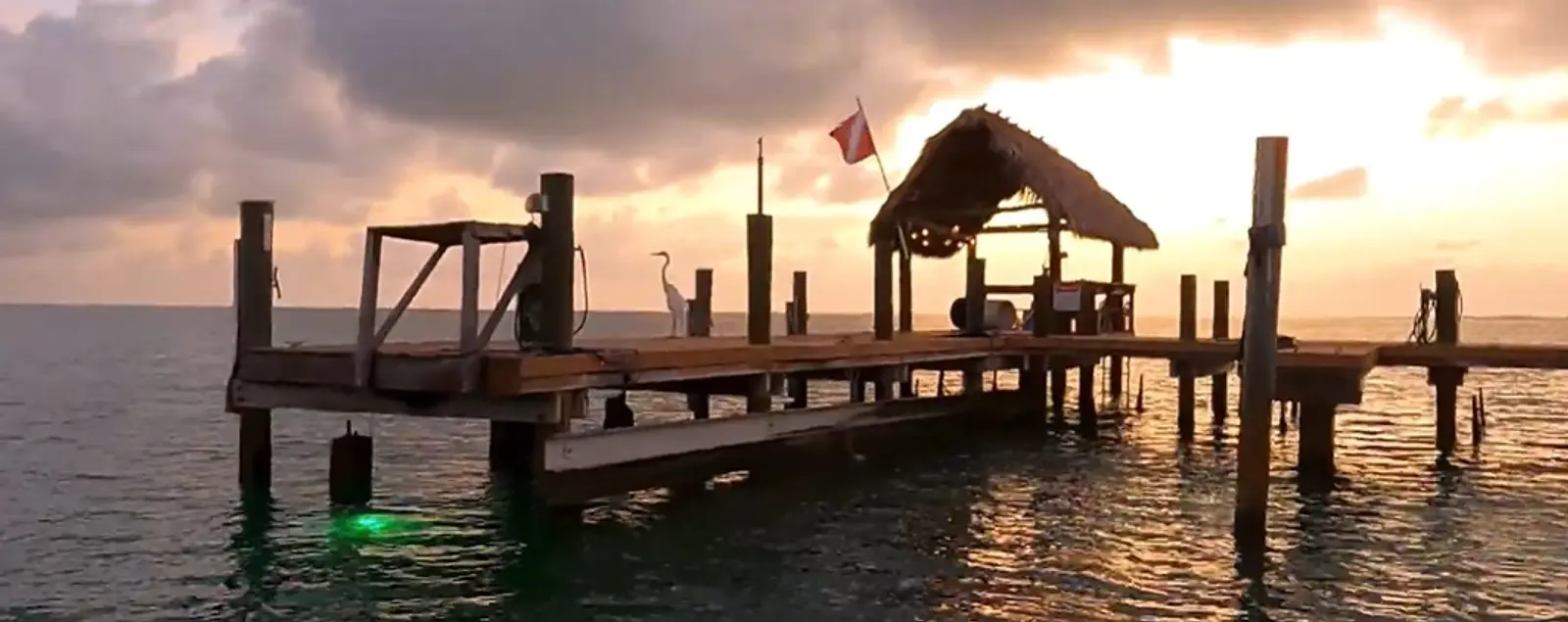
What followed was part textbook, part comedy of errors, and wholly Marathon: a slice of Keys fishing life that felt equal parts meditative and mischievous.
Dawn on the Keys: Why Sunrise Fishing Works
Sunrise fishing is no travel cliché — it's science and instinct. Before the sun fully wakes the sky, light levels drop, water cools, and tiny baitfish move. Predators notice. That window — the "power hours" — gives anglers the best shot at active fish feeding near flats, mangrove edges, and structure.
On that morning, we:
• arrived before first light,
• worked the shallow edges first,
• watched the birds and the water for signs of feeding,
• and swapped lures as the sky brightened.
In theory, the early plan is simple. In practice, the Keys like to remind you who's boss.
Bait, Hooks, and the "Christmas Tree" Net
Fishing in the Keys can be a delicate negotiation between angler and appetite. Jeff's morning was a masterclass in patience and small adjustments — and a little weirdness the crew called a "Christmas tree" in the net. When the mesh is tight and the baitfish get tangled together, the net looks like a glittering tree of tiny fish. It’s a pleasant problem — until you have to untangle it before the next cast.
A few other lessons from the boat:
- Circle hooks were the tool of choice — designed to hook fish in the side of the mouth when you give a gentle pull once the fish swallows. Jeff trusted them to protect the catch and the fish alike.
- Bait thieves are real. We lost more baits to fish that would pick up the chunk and sit there — not running, just holding it in their mouths — than we did to full-on runs. Sometimes you feel that gentle pressure and you know the trick: wait, let them eat, then set the hook with a smooth sweep.
- Live chunk and chum brought the action to the boat, but it also fed the smaller mouths that chewed the bait to pieces. The result: lots of excitement, a lot of lost rigs, and eventually one unmistakable thump on the line.
The One Snapper (and the Ones That Didn’t Stick Around)
After a morning of near-misses, mystery grabs, and a few head-shakes that let the bait slip free, Jeff finally landed a beautiful snapper. It was that rare mix of relief and celebration — the fish we’d been teasing all morning, now in the boat and posed for photos. Margaret, watching from ashore on a video call, joked she was “sending good vibes from India” and, apparently, the fish approved.
We also encountered the other side of Keys fishing: hooks pulling free, bait swallowed but not hooked, and the stubborn tarpony encounters where the line goes tight and then snaps. Jeff’s “one that got away” stories included a few near misses that are already lodged firmly in the archives of good fishing lore.
Wind, Waves, and the Limits of Adventure
If there’s one recurring character in any Keys tale, it’s the wind. That week, the wind held steady at 15–25 knots from the east-southeast — enough to keep us off the reef for snorkeling and to make some spots choppy. Wind dictates plans: where you can anchor, how comfortable you’ll be, and whether you get to explore the reefs or stay in the more protected bays.
Still, a blustery day has its advantages: birds get pushy with baitfish, certain species shift to different feeding patterns, and the scenery — wind-driven clouds, glittering chop, and a neon sunrise — is unforgettable. We made the most of it, logged the sunrise on camera, and called it one of our favorite, low-stress Keys trips.
Practical Morning-Fishing Tips from Marathon
Whether you’re sneaking a final cast or planning a week of Keys fishing, here are the practical takeaways we relied on: - Arrive before dawn. That half-hour before sunrise is often the most productive. - Start shallow. Work flats and mangrove edges first before moving deeper. - Use circle hooks for chunk bait. Give fish time to swallow, then sweep — circle hooks reduce gut-hooking and improve release survival. - Watch birds and surface action. Birds are natural spotters — follow them. - Expect bait thieves. Pack extra rigs and be ready to retie. - Check the wind. If the reef is inaccessible, flats and keyside channels can still produce. - Bring patience and a sense of humor. Losing twenty baits is much easier to take with coffee and friends.
Final Cast: What the Keys Teach You
By the time we eased back to the dock, sun warming our faces and gear stowed, that last morning felt like the perfect punctuation mark for the trip. The Keys give a tidy little lesson: plan, be ready to change your tactics, and treasure the single snapper that makes a week of near-misses worth it.
If you’re headed to Marathon — even for one last early morning run of the engine and a hurried cast — treat the dawn as a friend. Show up early, read the water, and let the fish tell you the rhythm. We’ll catch you next time, and maybe the next sunrise will bring bigger stories and calmer winds.
Relevant Reads
Looking to dive deeper into saltwater fishing, travel tips, and gear guides? Here are a few from the Let’s Go Wander ’Bout archives: - Top Fishing Gadgets: 10 Tools That Actually Make a Difference - Marathon Day 1 - Marathon Day 2 - Marathon Day 3
Ready to make Marathon your next escape?
- Share a Field Note from your own trip, or browse more Field Notes for ideas.
- Share Your Marathon Story: Submit photos & tales
- Explore More Field Notes : Discover other Keys adventures
Charters, tours, stays, and other ways to turn the story into a trip.

Custom Cat Charters — premium Marathon fishing
See the current trip options and availability for a related outing.

Always Late Fishing Charters — Marathon reef and offshore
See the current trip options and availability for a related outing.
Wander ’Bout may earn a commission if you book through these links, at no extra cost to you.