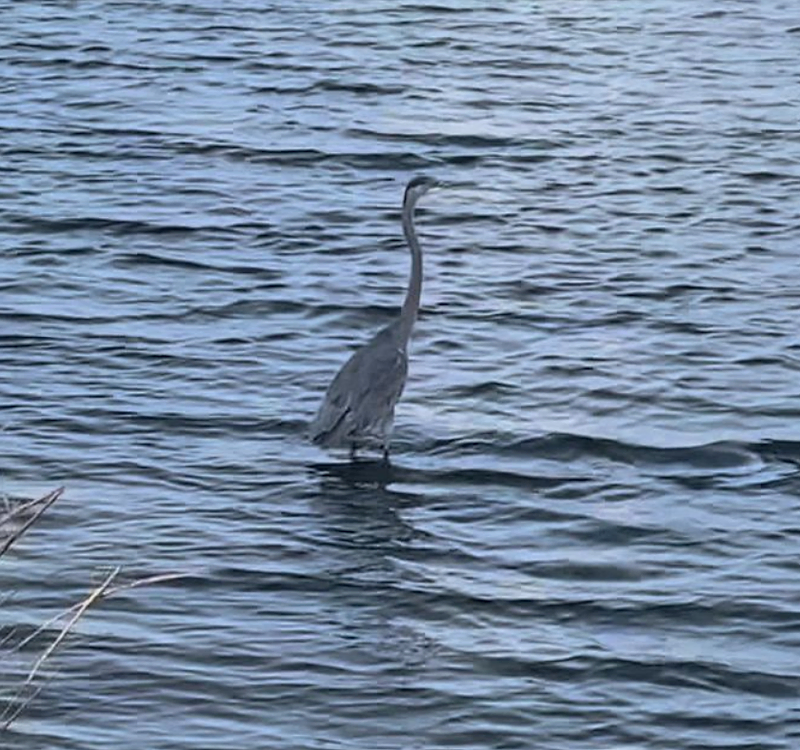
There’s something quietly cinematic about Key Largo’s mangroves: sunlight speckling the water, a hush in the channel, and the sudden flash of white as an American white ibis probes for dinner.


Why Key Largo’s Mangroves?
Mangroves are coastal nurseries. They shelter juvenile fish, hold the shoreline, and feed entire food webs—making them prime real estate for wading birds like the American white ibis. In mangrove swamps, ibis focus largely on crabs and other crustaceans, making the shallow flats a reliable place to watch them forage.
Where to Go & How to Start
Begin at the Florida Keys Visitor Center (106240 Overseas Highway, Key Largo) if you want maps, local tips, or discount passes for tours and rentals. It’s a great orientation stop before you launch into the mangrove maze.
For the best experience, look for sheltered channels and shallow flats at low tide— ibis often feed along the edges where water meets mud and roots. Guided eco-tours and kayak rentals let you slip quietly into these pockets without disturbing the birds.
Best Time to Visit
Early morning and late afternoon are prime: cooler light, more activity, and better photo opportunities. These windows also avoid the midday heat that makes both birds and people sluggish.
What to Look For — ID Tips
- Bright white plumage, long pink legs, and a long, downcurved bill (used like a tactile probe).
- Juveniles are mottled and less pristine than adults.
- Watch the sweeping, side-to-side probing action—classic ibis foraging behavior.
How to Watch Responsibly
- Keep distance—binoculars or a zoom lens are your friends.
- Never feed wildlife; it disrupts natural behavior.
- Stay in designated channels and launch points so you don’t trample mangrove roots. These small choices preserve the habitat for the next visitor.
Extras You Might Spot
Mangroves are biodiversity hotspots: herons and egrets, small schooling fish, and sometimes curious dolphins or manatees in nearby deeper channels. Patience is rewarded—bring water, shade, and time.
Quick Packing List
Binoculars, polarized sunglasses, reef-safe sunscreen, a wide-brim hat, water, a small dry bag for phone/camera, and comfortable water shoes. If you’re planning a picnic after paddling, an insulated cooler or collapsible tote is handy. (See product picks below.)
Conclusion
Key Largo’s mangroves reward slow travel: move quietly, look closely, and you’ll leave with small, unforgettable wildlife moments—like an ibis streaking white against green roots. By following simple rules (no feeding, stay off roots, use established launch points), you help keep these fragile ecosystems healthy.
Want more on this area or gear to make the most of your day? Check these Wander ’Bout links and product picks:
Related Wander ’Bout posts
Recommended gear from Let’s Go Wander ’Bout
- Travel Cooler with Wheels — great for long beach or mangrove days.
- Square Cooler Tote — compact, leakproof, and ideal for day trips.
- Picnic Basket — stylish set for a post-paddle picnic.
Pack light, paddle quietly, and share your Field Notes when you return—your photos and stories help other travelers and support local conservation through awareness.
Been here? Add what you know.
Places change. Stories stay personal. Help keep this Field Note useful with a correction, a recent update, another detail, or a comment. Approved contributions appear here with their own credit and date.
Know a useful detail? Yours could be the first addition.
Charters, tours, stays, and other ways to turn the story into a trip.

Key Largo Sunset Cruise with Snorkel Option
See the current trip options and availability for a related outing.

Private Key Largo Sunset Tiki Cruise
See the current trip options and availability for a related outing.
Wander ’Bout may earn a commission if you book through these links, at no extra cost to you.