
The Great Blue Heron ( Ardea herodias ) is a remarkable bird known for its impressive size and distinctive features. 5 feet. It has long legs, a sinuous neck, and a thick, dagger like bill, giving it a unique silhouette.
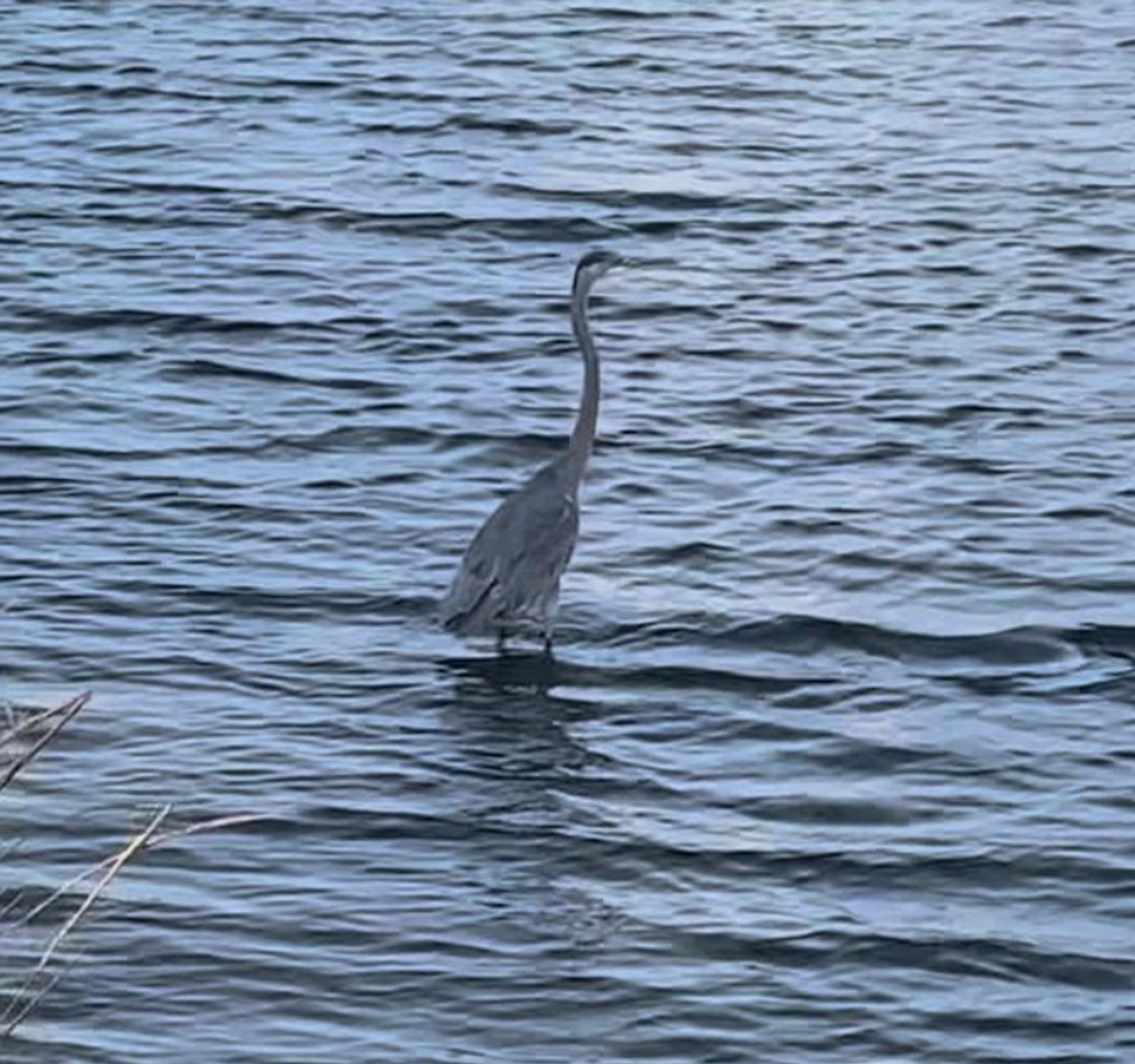
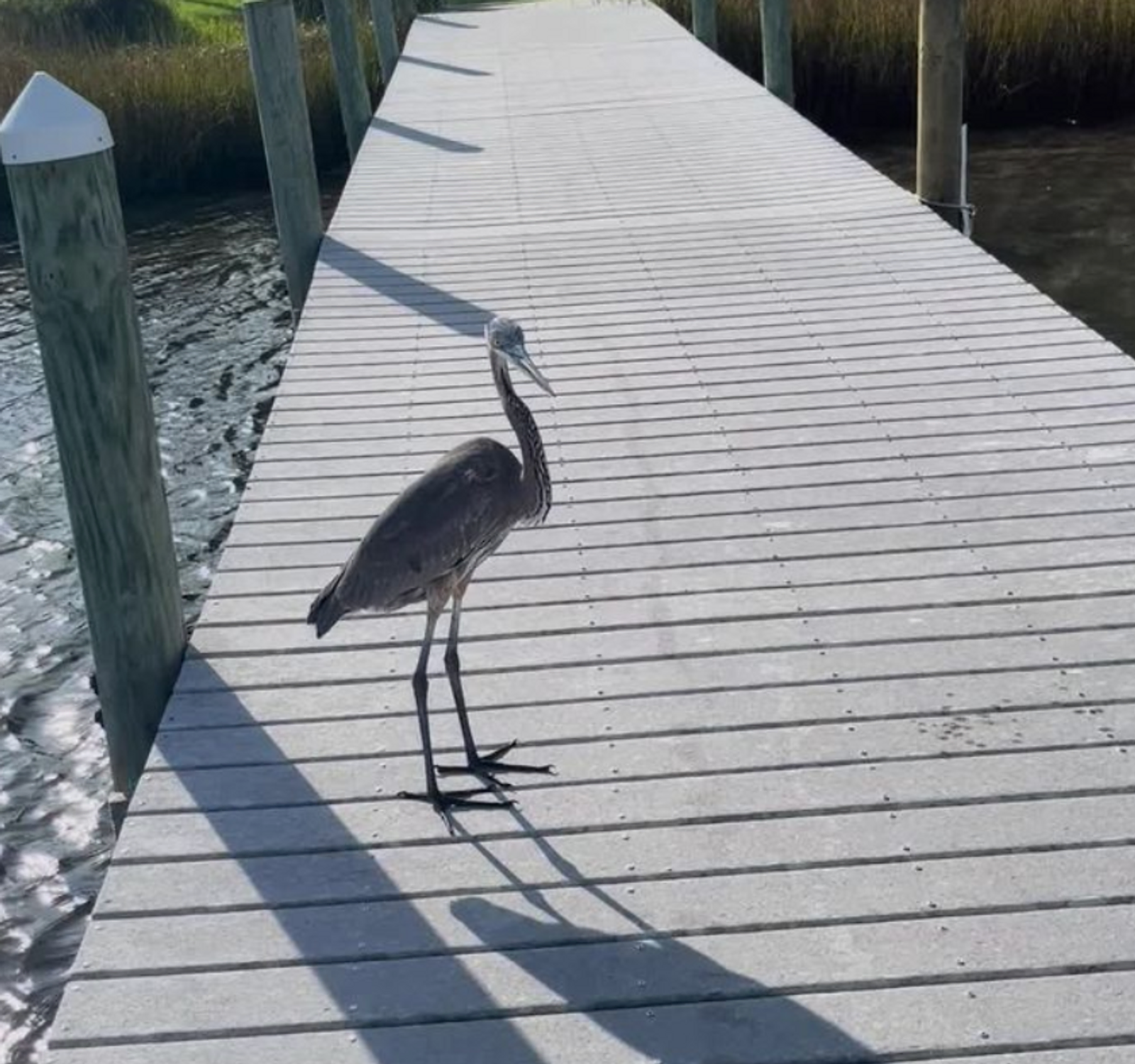


These herons are commonly found near the shores of open water and wetlands. They thrive in both fresh and saltwater habitats, making them versatile in their living conditions. Great Blue Herons are opportunistic feeders, consuming a wide variety of prey found in their aquatic habitats. Their diet can include fish, amphibians, and even small mammals.
These birds are often seen standing silently along rivers or lakeshores, waiting for fish to swim by. They are known for their slow, deliberate flight, characterized by slow wingbeats. Great Blue Herons typically nest in colonies, often in tall trees or on cliffs, where they create large nests made of sticks.
In summary, the Great Blue Heron is a majestic bird characterized by its large size, unique appearance, and adaptability to various aquatic environments. Its hunting skills and social nesting habits make it a fascinating subject for bird watchers and nature enthusiasts alike.
A Dockside Spectacle
The Great Blue Heron (Ardea herodias) is a sight to behold, especially from the comfort of your condo balcony. Standing tall and poised, these birds have long legs and a graceful neck that make them look like they own the place—and perhaps they do. With a wingspan of up to 6.5 feet, they can take off in slow, deliberate flight that makes you think, "Did they just win the bird Olympics?
As we enjoyed our stay, we noted the following about our feathery friends and their habitat:
One particular heron seemed to have claimed a prime spot on our dock. Every morning, as the sun began to warm the water, it would appear, a silent sentinel surveying its domain. It was fascinating to watch its hunting prowess. With incredible patience, it would stand perfectly still, sometimes for what felt like an eternity, before striking with lightning-fast precision to snatch an unsuspecting fish. We even saw it successfully snag a small crab one afternoon, showcasing its opportunistic feeding habits.
The marina at Sabine Yacht and Racquet Club provided an ideal environment for these magnificent birds. The shallow, calm waters were clearly a rich source of food, and the surrounding mangroves and other vegetation offered excellent cover and potential nesting sites, even if we didn't spot any active nests during our stay. The presence of these elegant birds truly added to the serene and natural beauty of our vacation. It was a reminder that even when the primary plan for the boat falls through, nature always has something spectacular to offer.
Been here? Add what you know.
Places change. Stories stay personal. Help keep this Field Note useful with a correction, a recent update, another detail, or a comment. Approved contributions appear here with their own credit and date.
Know a useful detail? Yours could be the first addition.
Charters, tours, stays, and other ways to turn the story into a trip.

Pensacola Beach Dolphin and Scenic Tour
See the current trip options and availability for a related outing.

Half Day Pontoon Boat Rental – Fun & Relaxing Water Adventure
See the current trip options and availability for a related outing.
Wander ’Bout may earn a commission if you book through these links, at no extra cost to you.


